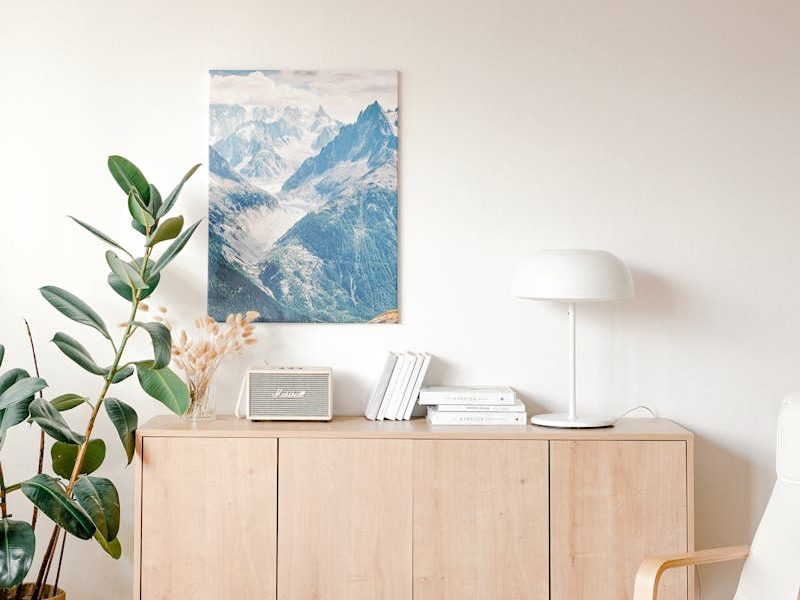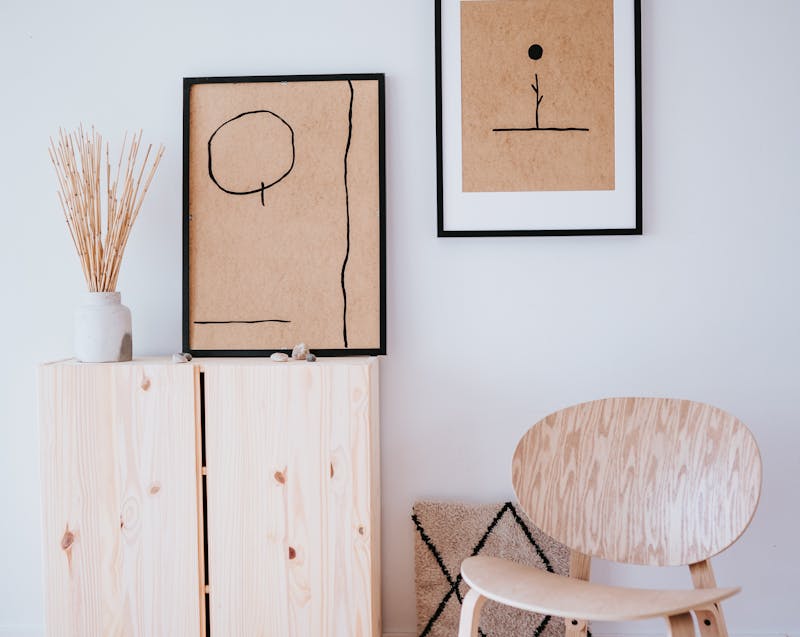
When it comes to modern home styling, few design trends have gained as much attention as Japandi. A beautiful fusion of Japanese minimalism and Scandinavian functionality, Japandi interior design is all about creating harmonious spaces that are clean, warm, and practical. For homeowners, this style strikes the perfect balance between sleek simplicity and cosy comfort, making it ideal for both small apartments and larger family homes.
If you’re considering adopting Japandi in your home, this guide will walk you through everything you need to know. From furniture and décor essentials to recommended materials, colour palettes, and design tips, you’ll find practical insights that help you transform your home into a calming, stylish retreat. Let’s explore how you can bring Japandi interior design to life.
What Makes Japandi Interior Design Unique?
Japandi isn’t just another fleeting design trend—it’s a lifestyle choice rooted in two strong cultural aesthetics. At its core, Japandi combines the Japanese philosophy of wabi-sabi, which celebrates imperfection and natural beauty, with Scandinavian hygge, which emphasises comfort, warmth, and functionality.
This unique blend results in a style that prioritises:
- Minimalism: Clean lines, uncluttered spaces, and intentional design choices.
- Natural elements: A focus on raw materials such as wood, stone, bamboo, and linen.
- Functionality: Furniture and décor that serve a purpose while still looking beautiful.
- Warmth and comfort: Neutral tones, soft textiles, and layered textures that make a space inviting.
Unlike traditional minimalism, which can sometimes feel stark or cold, Japandi brings in warmth and depth. It’s perfect for homeowners who want a home that looks stylish without sacrificing comfort.
How to Choose the Right Colour Palette for Japandi
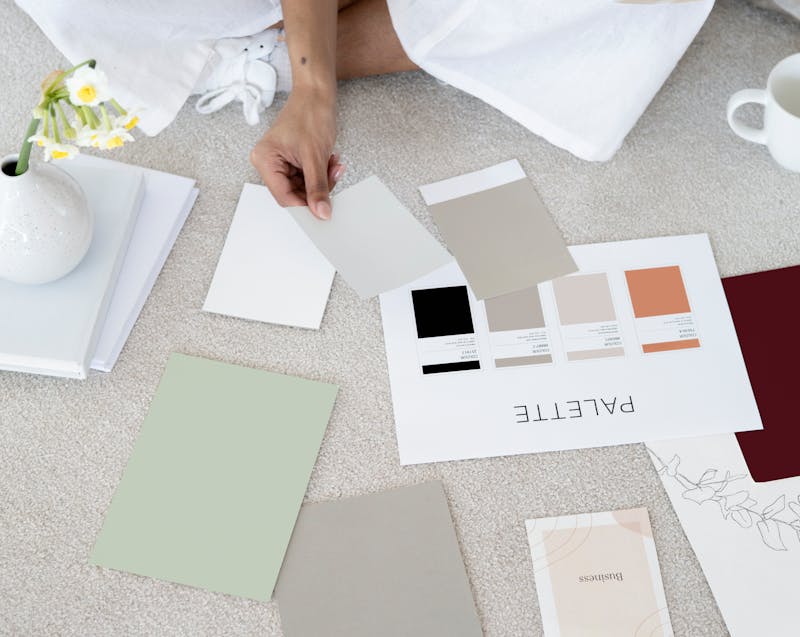
Before diving into furniture and décor, homeowners must first think about the foundation of Japandi design: the colour palette. Japandi interiors typically favour a muted and natural spectrum, avoiding loud or overly vibrant colours.
Key Japandi colour tones include:
- Warm neutrals: Beige, off-white, and light grey.
- Earthy shades: Sand, clay, taupe, and stone.
- Dark contrasts: Charcoal, muted black, or deep brown used sparingly for balance.
- Natural greens: Olive and sage for subtle accents.
A Japandi palette works best with layered tones rather than sharp contrasts. For instance, a living room might use warm beige walls, light oak furniture, and black accent pieces for depth. Textiles such as rugs or cushions in muted greens or greys add softness without overwhelming the simplicity of the space.
When done right, the colour scheme creates a calming environment that immediately feels grounded and harmonious.
Japandi Interior Design Furniture: What You Should Invest In
Furniture plays a central role in achieving the Japandi look. Homeowners should focus on quality over quantity, opting for pieces that are both functional and timeless.
Key Features of Japandi Furniture
- Clean lines: Avoid ornate designs or excessive detailing.
- Low-profile designs: Japanese-inspired low tables, Scandinavian sofas, and platform beds.
- Natural materials: Solid wood, bamboo, rattan, and stone.
- Neutral colours: Stick to earthy tones and avoid glossy or artificial finishes.
Must-Have Furniture Pieces
- Sofas and armchairs: Choose minimalist shapes in natural fabrics like linen or cotton.
- Dining tables: Opt for solid wood designs with slim legs and a matte finish.
- Beds: A low platform bed with a simple headboard enhances the Japanese influence.
- Storage solutions: Scandinavian-style cabinets and sideboards with concealed storage keep clutter out of sight.
- Accent chairs: Add a rattan or bamboo lounge chair for organic texture.
Investing in durable, timeless furniture ensures your home remains stylish for years to come while reducing waste—aligning with Japandi’s sustainable ethos.
Japandi Décor Ideas: How to Style Your Space
Once you’ve selected the right furniture, it’s time to style your space with Japandi décor. Remember that décor in this design style is subtle, purposeful, and never excessive.
Key Décor Elements for Japandi Homes
- Textiles: Linen curtains, cotton throws, and wool rugs bring softness to the space.
- Lighting: Pendant lights with paper or rattan shades add warmth.
- Ceramics: Handmade pottery, vases, and bowls highlight the wabi-sabi aesthetic.
- Plants: Indoor greenery, such as bonsai or simple leafy plants, enhances the connection with nature.
- Artwork: Minimalist wall art or nature-inspired prints in muted tones.
Styling Tips for Homeowners
- Keep accessories minimal—choose one or two statement pieces rather than filling every surface.
- Use layers of natural textures to avoid monotony. For example, combine a wool rug with a rattan chair and a linen throw.
- Let negative space breathe. In Japandi, empty areas are just as important as filled ones.
Décor in Japandi design doesn’t scream for attention. Instead, it quietly elevates the space, creating an atmosphere of calm and intentional beauty.
Materials That Define Japandi Interior Design
One of the strongest characteristics of Japandi is its use of natural and sustainable materials. For homeowners, this means selecting finishes and textiles that feel authentic, tactile, and enduring.
Common Japandi Materials Include:
- Wood: Oak, ash, walnut, and bamboo for furniture and flooring.
- Stone: Slate, granite, or concrete for countertops and accent surfaces.
- Rattan and wicker: For chairs, baskets, and light fixtures.
- Natural fabrics: Linen, cotton, and wool for textiles.
- Clay and ceramics: For vases, bowls, and decorative objects.
These materials not only look beautiful but also age gracefully, embodying the wabi-sabi philosophy of appreciating natural wear and imperfections. Sustainable sourcing is also encouraged, aligning with Japandi’s eco-conscious spirit.
How to Apply Japandi Interior Design in Every Room
Japandi isn’t limited to living rooms or bedrooms—it can be applied across the entire home. Here’s how homeowners can bring this style into different spaces:
Living Room
- Keep seating low and modular.
- Layer textures with linen cushions and wool rugs.
- Add a statement coffee table made of wood or stone.
Kitchen
- Use matte wood or stone finishes for cabinets and benchtops.
- Keep shelving open but uncluttered with simple ceramics.
- Incorporate pendant lights with paper shades.
Bedroom
- Choose a low-profile platform bed.
- Use neutral linens layered with wool throws.
- Add soft, warm lighting for a calming retreat.
Bathroom
- Incorporate stone or concrete for basins and benchtops.
- Use bamboo or teak shelving.
- Add greenery for a spa-like atmosphere.
Outdoor Spaces
- Blend Scandinavian functionality with Japanese landscaping.
- Use natural stone pavers, bamboo fencing, and minimal outdoor furniture.
- Add plants such as bamboo or bonsai for authenticity.
Japandi Interior Design vs Other Popular Styles
Homeowners often wonder how Japandi differs from similar styles. Here’s a quick comparison:
- Minimalism: Japandi is warmer and less stark, with more focus on comfort.
- Scandinavian: Japandi introduces darker contrasts and wabi-sabi imperfection.
- Japanese Zen: Japandi adds functionality and cosiness from Scandinavian design.
- Industrial: Japandi is softer and uses more natural, raw materials.
This fusion makes Japandi versatile and timeless, appealing to those who appreciate both simplicity and warmth.
Common Mistakes to Avoid in Japandi Design
While Japandi is simple, it’s easy to misstep. Here are mistakes homeowners should avoid:
- Over-accessorising: Too many decorations take away from minimalism.
- Ignoring balance: The style relies on both Japanese and Scandinavian influences—don’t lean too heavily on one side.
- Using synthetic materials: Plastics and glossy finishes clash with Japandi’s natural aesthetic.
- Clashing colours: Avoid bright or neon tones that disrupt harmony.
- Neglecting comfort: Minimalism doesn’t mean cold—always add warmth through textures.
By keeping these points in mind, homeowners can create a cohesive, authentic Japandi space.
Is Japandi Interior Design Right for You?
Japandi isn’t for everyone—it requires intentional design choices and a commitment to simplicity. But for homeowners seeking a calming, eco-friendly, and timeless style, Japandi is a perfect fit. It works especially well if you:
- Prefer uncluttered spaces.
- Value natural, sustainable materials.
- Want a home that feels both modern and warm.
- Appreciate quality furniture and décor over quantity.
The style is also highly adaptable, fitting both compact apartments and larger family homes.
The Role of Lighting in Japandi Interior Design
Lighting plays an essential role in Japandi interiors, as it sets the mood and highlights the natural materials that define the style. Unlike harsh, artificial lighting, Japandi favours soft, diffused light that creates a warm and calming atmosphere. For homeowners, the key is to use lighting strategically rather than simply as a functional necessity.
- Pendant lamps: Opt for paper lanterns or rattan pendants that offer soft glows.
- Floor and table lamps: Choose minimalist designs with linen or fabric shades.
- Natural light: Use sheer linen curtains or blinds that allow sunlight to filter in gently.
- Accent lighting: Consider LED strips under shelves or cabinets for subtle emphasis.
By combining natural daylight with carefully selected artificial lighting, homeowners can enhance the cosy, balanced ambience that makes Japandi design so inviting.
Incorporating Sustainability in Japandi Homes
Sustainability isn’t just a trend—it’s central to Japandi interior design. Homeowners who adopt this style often prioritise eco-friendly choices, reflecting both Scandinavian and Japanese respect for nature. Sustainable living doesn’t mean sacrificing style; in fact, it enhances authenticity.
Key ways to make your Japandi home sustainable:
- Choose responsibly sourced wood for furniture and flooring.
- Invest in quality over quantity, buying timeless pieces that will last decades.
- Use natural fabrics like organic cotton, linen, and wool for upholstery and textiles.
- Incorporate vintage or upcycled pieces, blending old with new.
- Avoid plastics and synthetics, which disrupt the natural aesthetic.
Sustainability ensures your Japandi interior isn’t just visually harmonious, but also environmentally conscious—something more homeowners are prioritising today.
Japandi Storage Solutions: Decluttering with Style
Clutter is the enemy of Japandi interiors, so smart storage solutions are crucial for maintaining balance. Homeowners should embrace functional yet beautiful storage options that blend seamlessly into the décor.
- Built-in shelving: Keeps books, ceramics, or plants neatly displayed.
- Low-profile cabinets: Concealed storage in wood tones prevents visual clutter.
- Multi-purpose furniture: Coffee tables with drawers or ottomans with hidden compartments.
- Open storage: Floating shelves styled with carefully chosen décor items.
The goal is not just to hide belongings but to curate what’s visible. In Japandi design, every item has its place and purpose. By investing in thoughtful storage, homeowners can create spaces that feel open, intentional, and serene.
Bringing Nature Indoors with Japandi Design
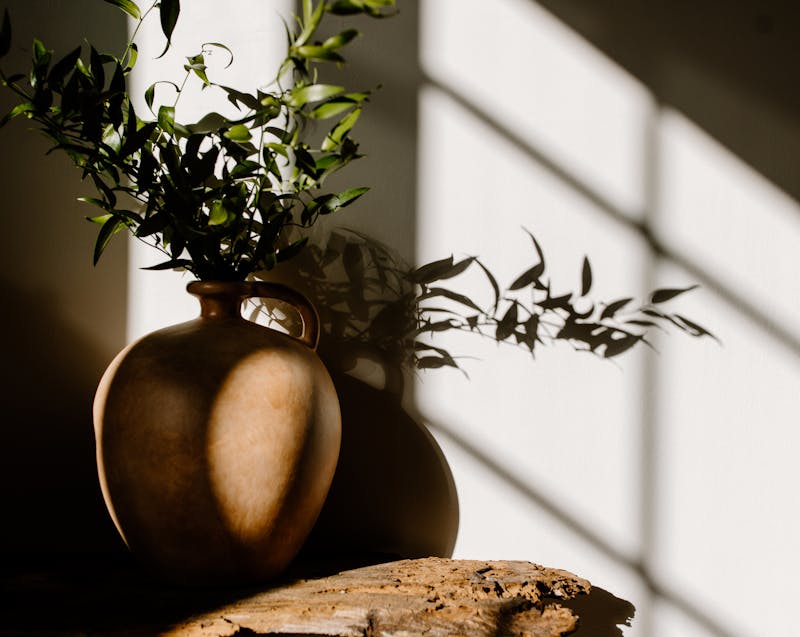
Nature plays a central role in Japandi interior design, reflecting both Japanese Zen gardens and Scandinavian outdoor living traditions. Homeowners can embrace this connection by incorporating natural elements that soften and ground their interiors.
- Indoor plants: Simple greenery like bonsai, bamboo, olive trees, or snake plants.
- Natural materials: Use stone, wood, and clay throughout the home.
- Water features: A small tabletop fountain can add calm and movement.
- Outdoor views: Maximise windows and sliding doors that frame gardens or courtyards.
The idea isn’t to overwhelm spaces with greenery, but to create harmony between indoor and outdoor living. By bringing nature indoors, Japandi homes feel tranquil and deeply connected to their surroundings.
Japandi Interior Design for Small Spaces
One of the reasons Japandi is popular among homeowners is its ability to transform even compact spaces into functional and beautiful retreats. The minimalist ethos, paired with Scandinavian practicality, makes it ideal for apartments or smaller homes.
Tips for applying Japandi in small spaces:
- Use multifunctional furniture like extendable dining tables or sofa beds.
- Stick to a neutral palette to make rooms feel larger and more open.
- Incorporate vertical storage with tall shelves or cabinets.
- Prioritise natural light by avoiding heavy drapes or dark colours.
- Limit décor to essential, meaningful pieces.
When executed well, Japandi allows small spaces to feel uncluttered, balanced, and spacious while retaining warmth and comfort.
The Future of Japandi: Why the Style Is Here to Stay
While many design trends come and go, Japandi has proven to be more than a passing fad. For homeowners, its appeal lies in its timelessness, sustainability, and ability to adapt to different lifestyles.
Reasons Japandi continues to thrive:
- Eco-consciousness: Rising interest in sustainability keeps natural, durable materials in demand.
- Wellness focus: Homeowners want calming, stress-reducing interiors.
- Adaptability: Works well in both small apartments and large houses.
- Aesthetic balance: Combines beauty and functionality seamlessly.
As society continues to value minimalism, mindfulness, and sustainable living, Japandi offers a design philosophy that resonates deeply. For homeowners, this means investing in Japandi interiors today will continue to pay off in the years ahead.
Final Thoughts
Japandi interior design is more than just a trend—it’s a way of living that values simplicity, natural beauty, and functional comfort. By carefully choosing the right furniture, décor, and materials, homeowners can create spaces that are not only visually appealing but also deeply relaxing and sustainable.
From neutral colour palettes and natural textures to low-profile furniture and wabi-sabi-inspired accessories, Japandi offers a practical yet sophisticated approach to modern living. Whether you’re redesigning one room or your entire home, this guide provides the foundation you need to bring Japandi to life.